

We just returned from Montalcino, where we expected a reprieve from the cold snap that had been battering the East Coast. Friends in Montalcino had been sending photos of how warm it has been, so with a literal spring in my step, I joyfully walked off the plane directly into some really cold weather! Everyone in the village was swaddled again in down and wrapped in scarves. A cold winter wind swept across the village almost every day, carrying the smell of wood smoke from the fireplaces still blazing. Snow once again crowned the top of Mount Amiata. Sigh. We dug out our winter coats, accepted our fate, and simply made the best of it!
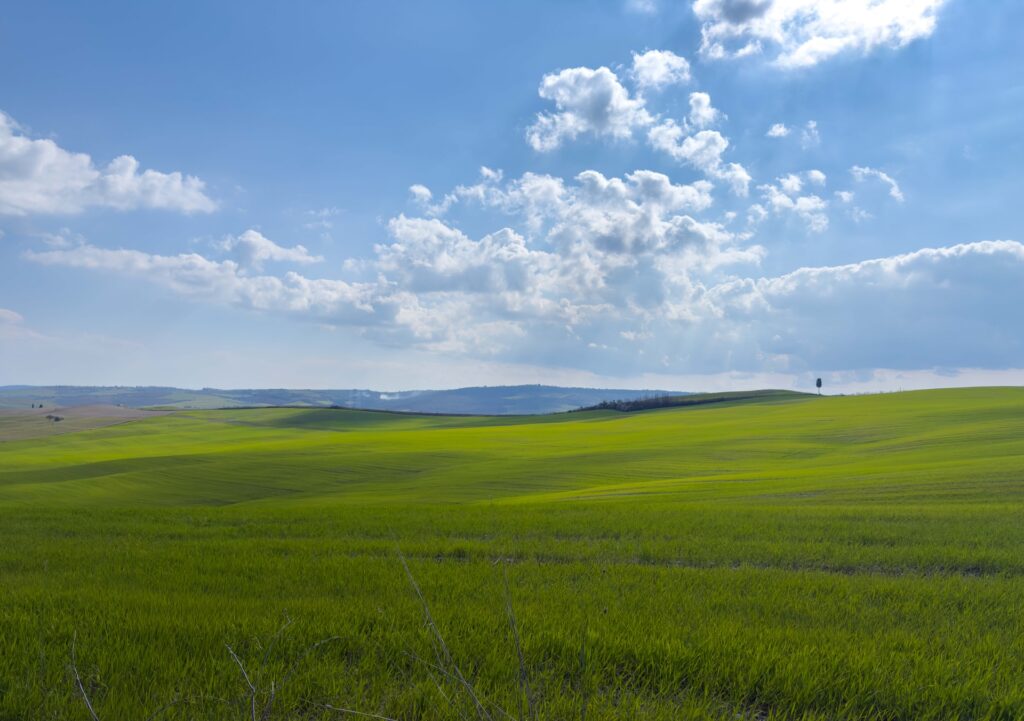
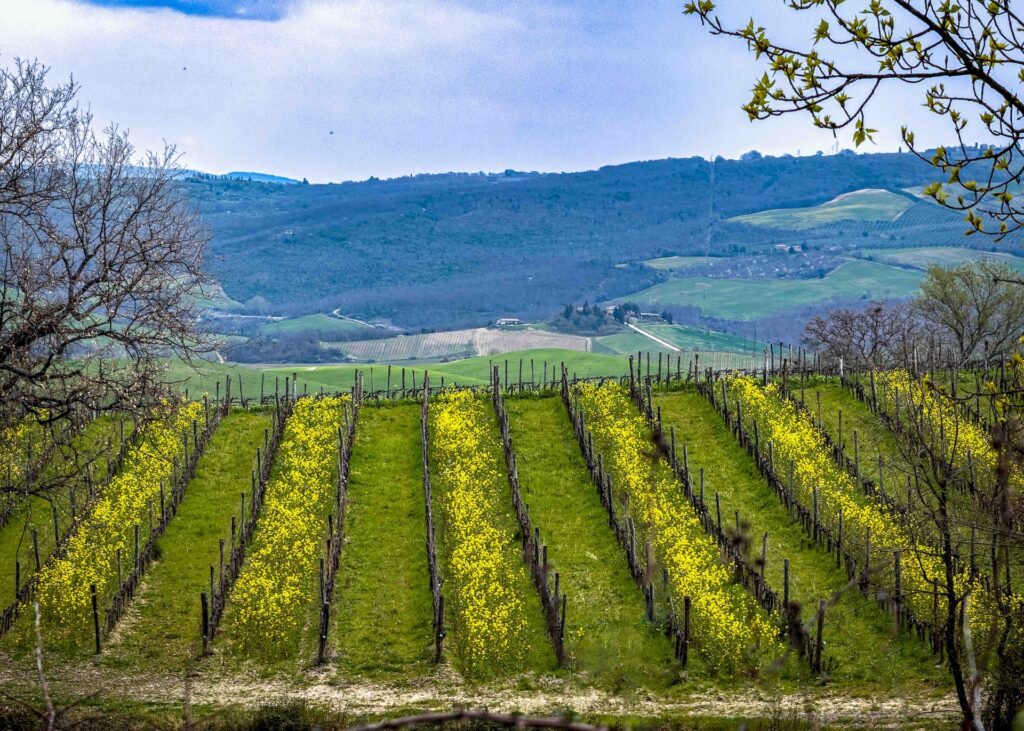
But alas, there were signs of spring everywhere. There were large fields of green dotting the landscape, and others that were brown when we arrived became noticeably greener by the day.
Friday, which is market day in the village, brought with it a really strong wind, so many vendors had made the very sensible decision to stay home, rather than fight the wind against the canopies of their stalls. It was the produce stand that gave away which month it actually was on the calendar. While Jay (Giacomo as he becomes the moment we land in Italy) wandered off to haggle with his favorite vendor over a very specific pair of pants he buys every single trip, I made a beeline for the produce stand in the back corner. I had been hoping for spring artichokes ever since the drive up from Fiumicino, where the coast road was bordered by field after field of fat artichokes blowing in the breeze. Sure enough, there they were, waiting for me. Bingo!
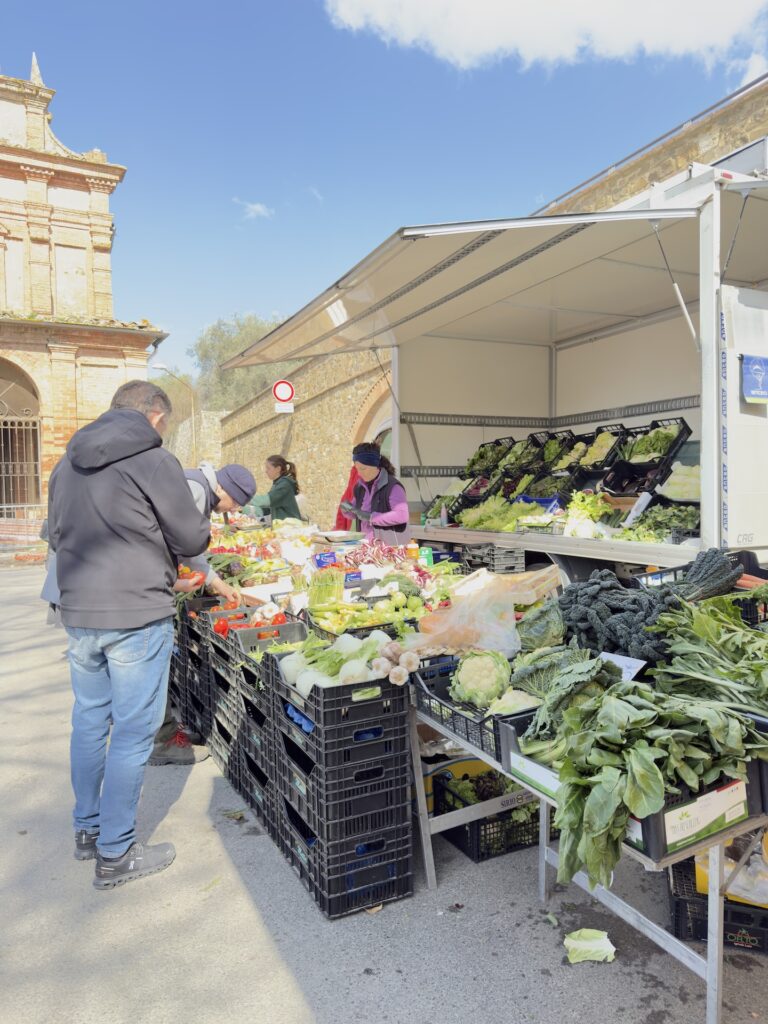
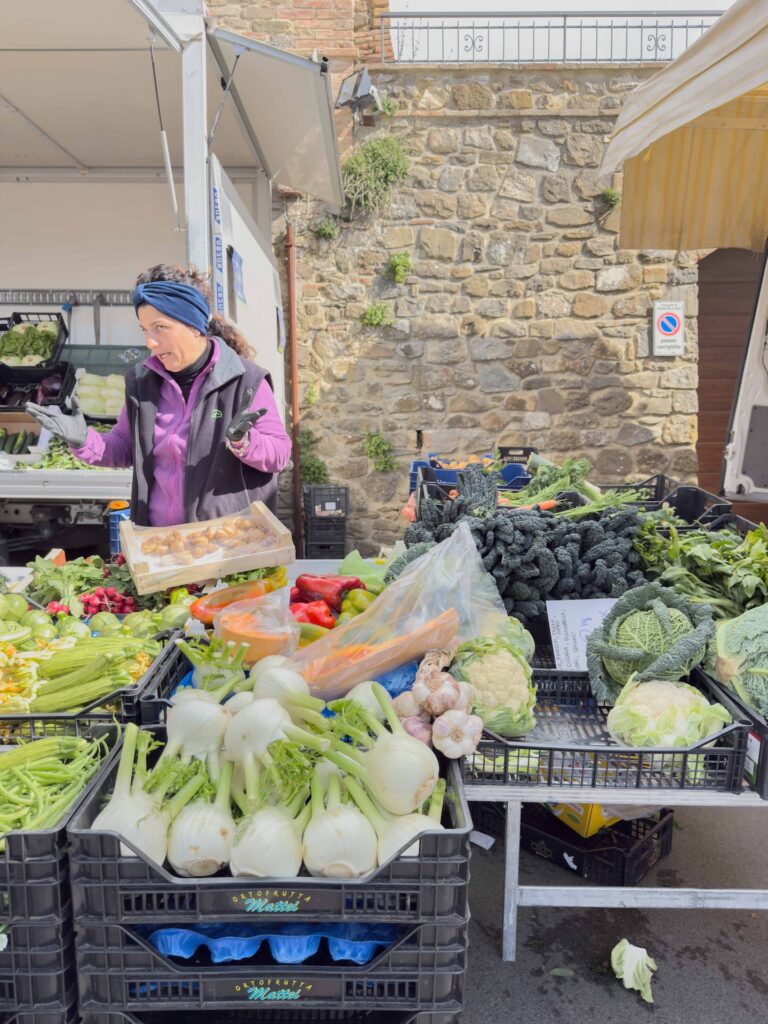
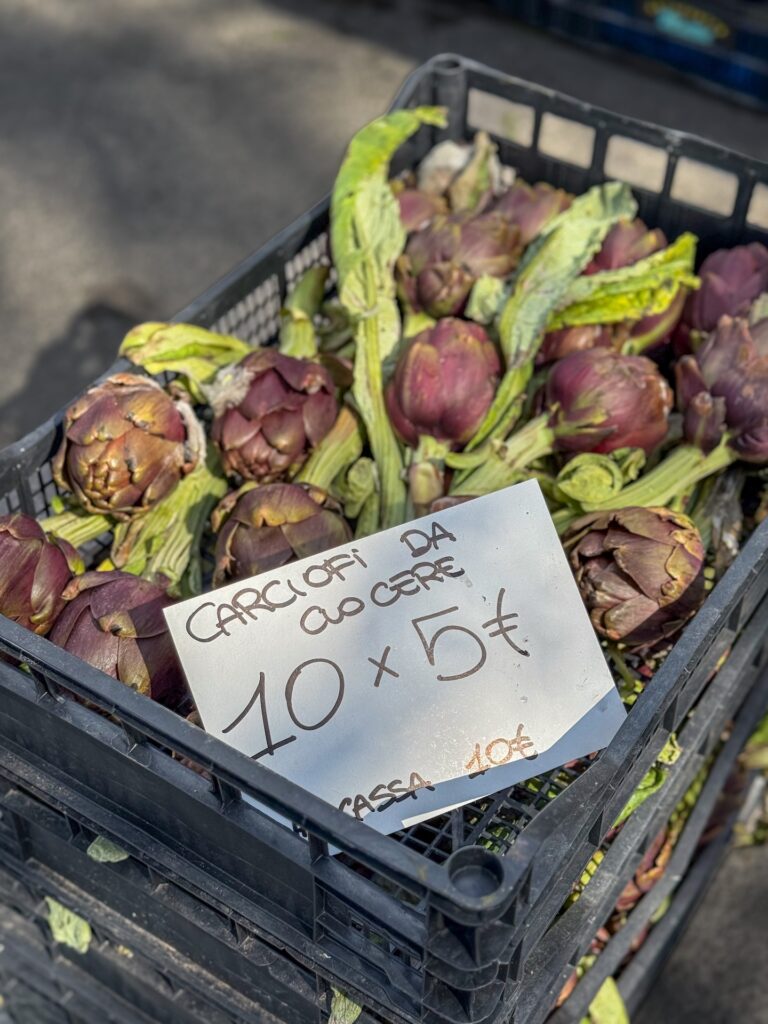
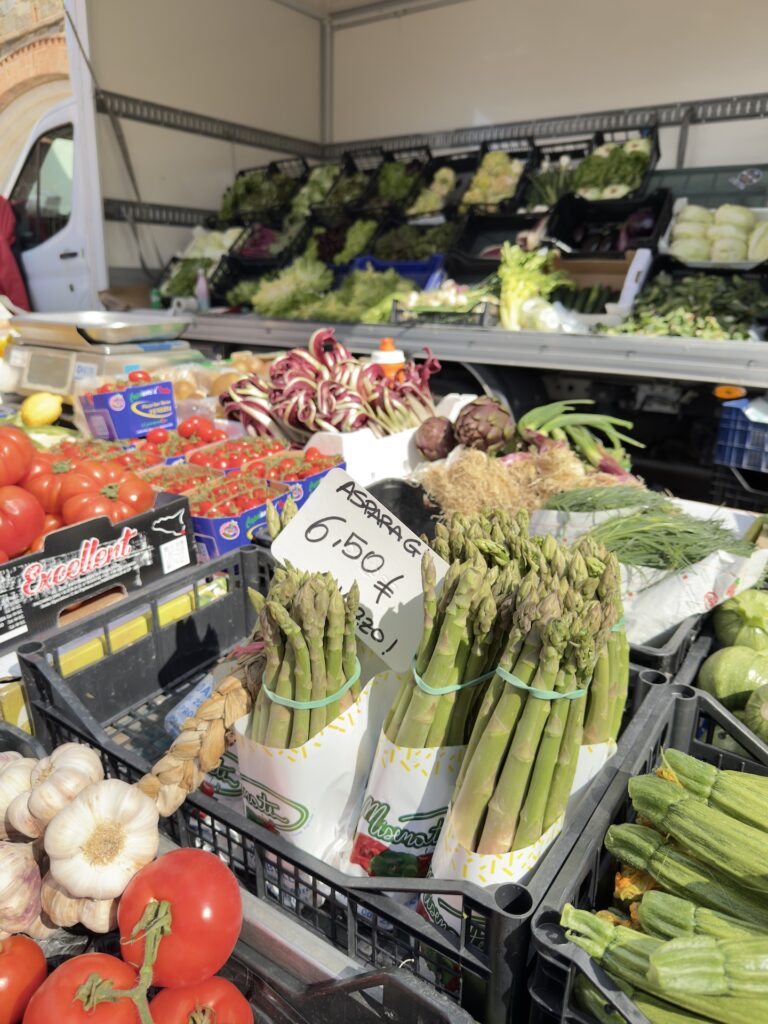
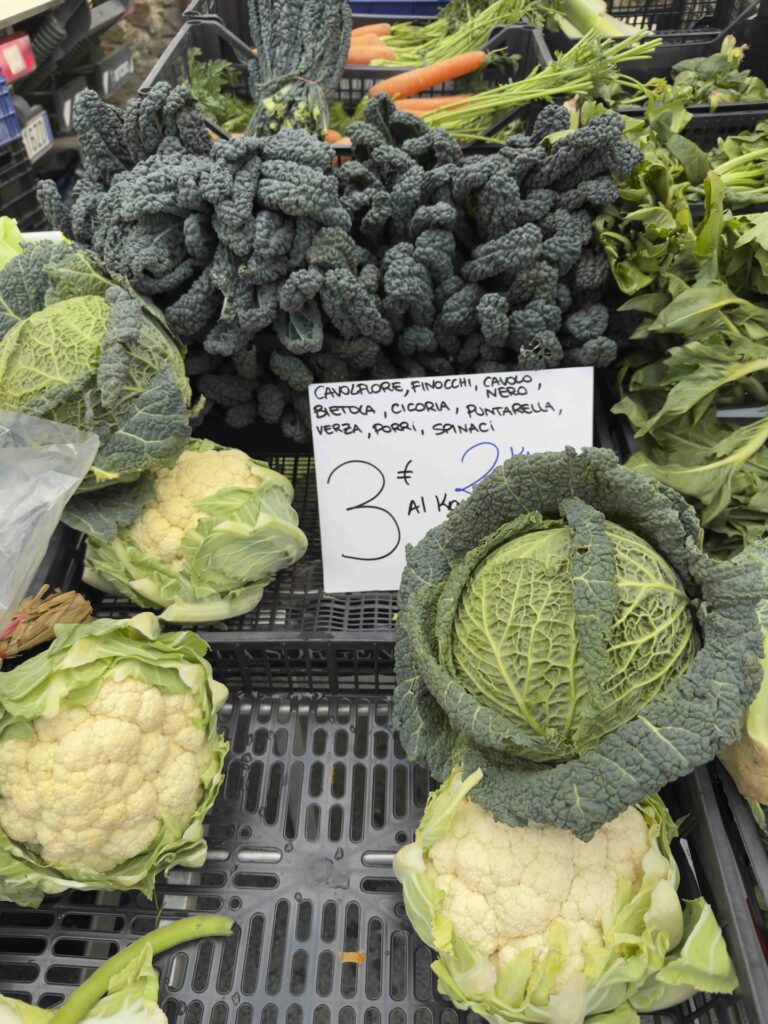
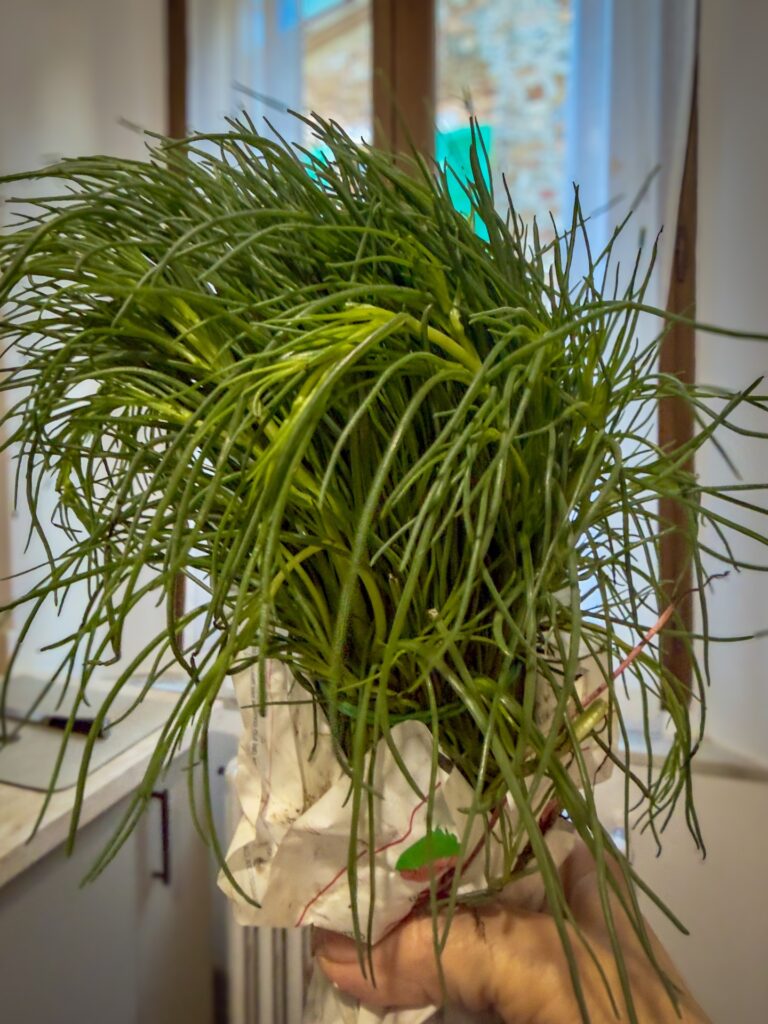
Shopping at the Friday market is one of my favorite rituals: fill the fridge with as much seasonal produce as we think we can consume before we leave. (One friend jokes that she never needs to go grocery shopping after my visits, since I always zealously overbuy and leave her with bags of produce.) This visit delivered beautifully: along with the artichokes, I bought asparagus, treviso radicchio, zucchini, fennel, susine (plums), and one treasure that simply does not exist in the US – agretti.
If you aren’t familiar with agretti (last photo above), it’s a wispy, slightly saline green that shows up for only a few weeks in early spring and then disappears, which is more or less its whole personality. I have only made it a few times and have learned from my friends and the woman at the produce stand how to prepare it: trim the tough ends and blanch briefly in salted water. On this trip, I added it to some pasta and pork sausage from the macelleria, a combination enthusiastically recommended by the woman at the produce stand, who has never once led me astray with her suggestions.
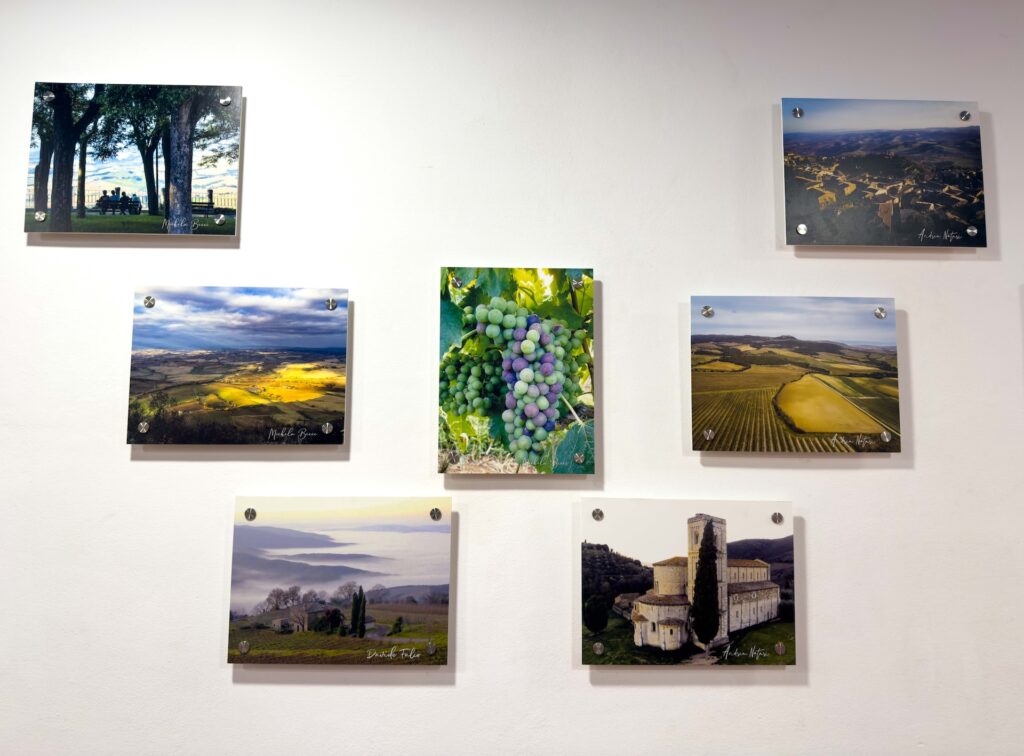
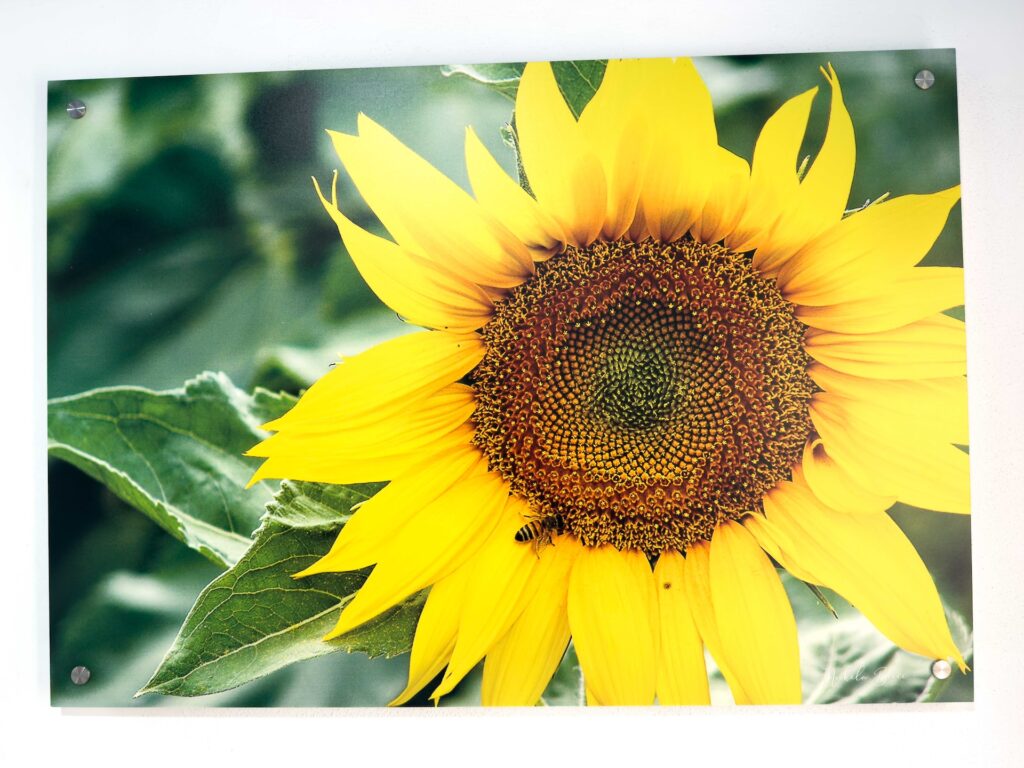
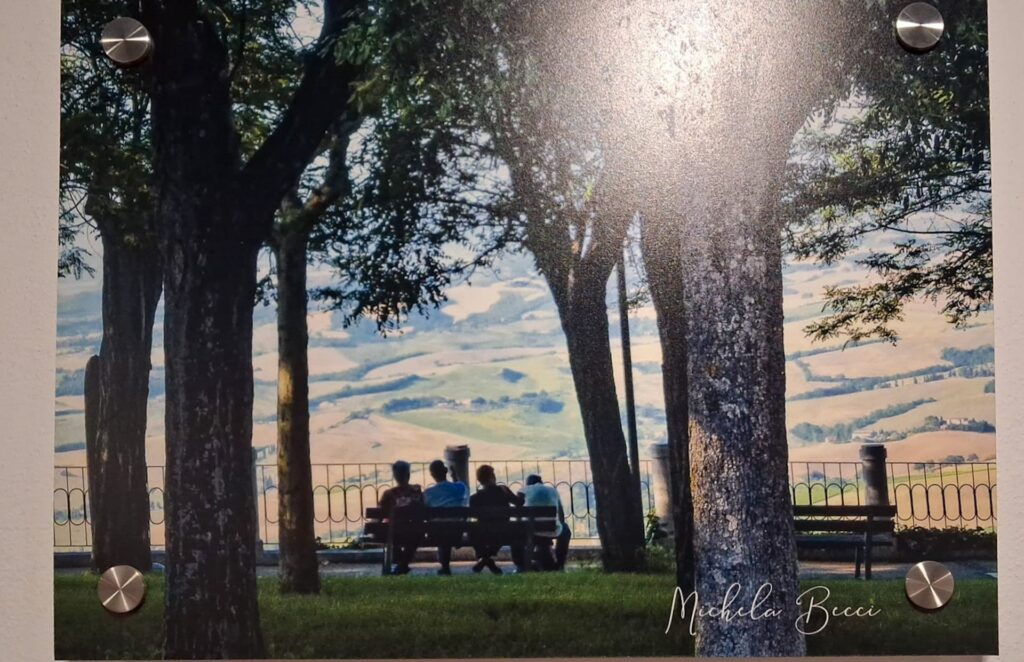
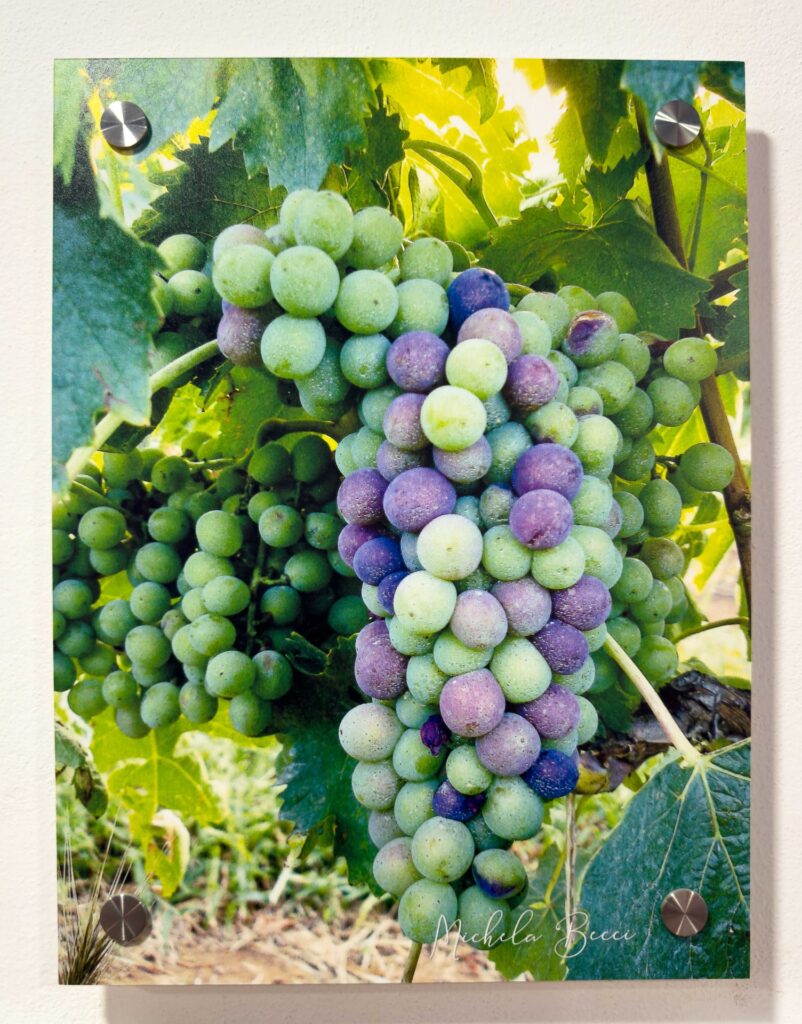
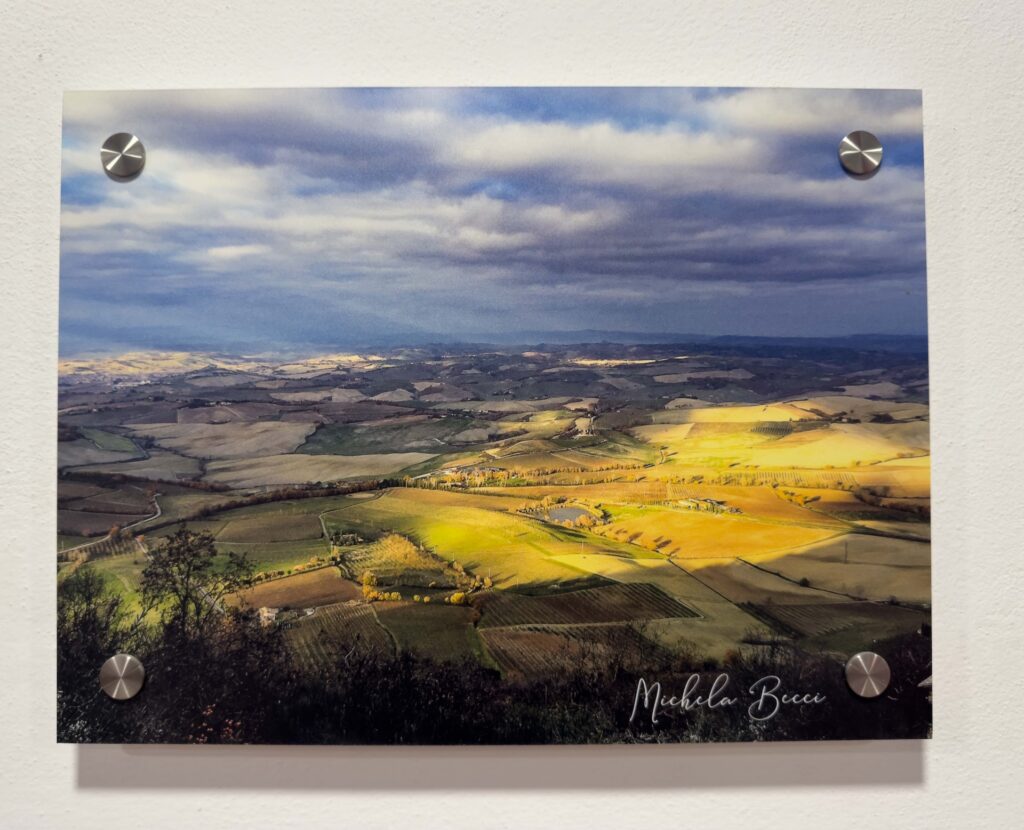
Before we talk about artichokes, I do have a story to share that makes my heart so very happy! A few years pre-Covid, the comune of Montalcino held a photography contest, with winning images to be hung in the Comune building in the village. I submitted a handful of my fave photos without much expectation. You can imagine my surprise when I woke one morning to an email in Italian informing me that not one but four of my photographs had been selected. I was absolutely over the moon.
Then the pandemic hit and scrambled everything. I would occasionally wander into the Commune building and look around, never spotting anything, and eventually the contest faded from my memory.
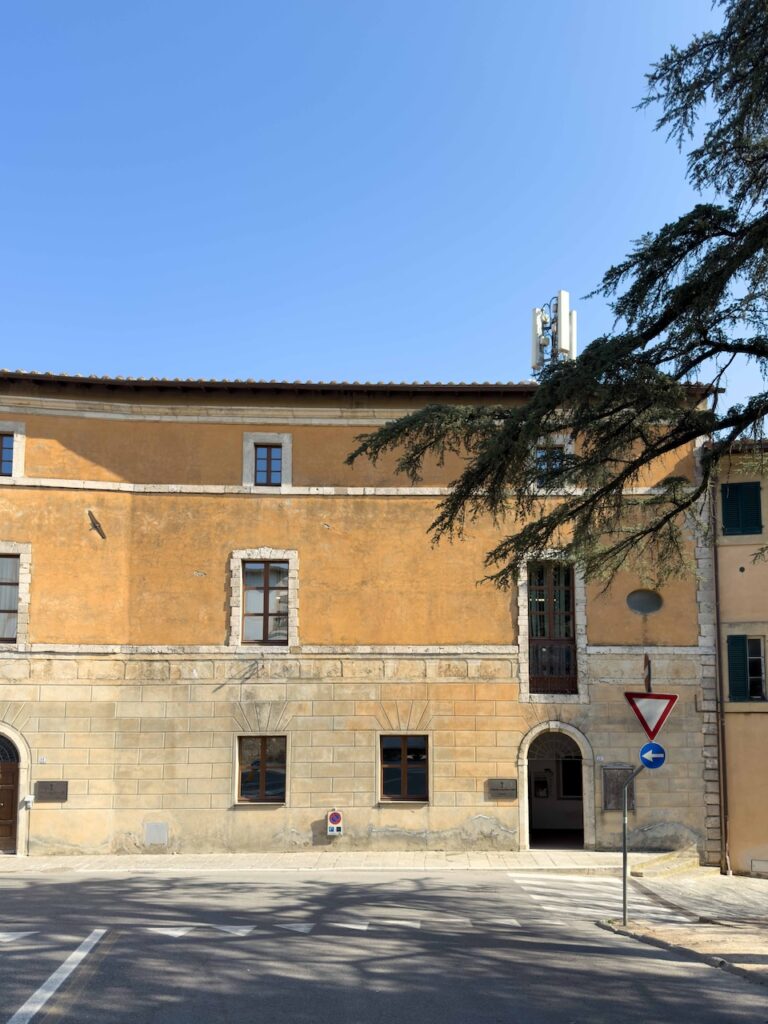
Fast forward to this trip. While chatting with friends Manu and Alessandro at Locanda Demetra (my favorite restaurant in Montalcino btw – the BEST!), they casually mentioned that they had been excited to see my name on a photograph hanging outside the Sindaco’s (mayor’s) office in the Comune building. A smile spread across my face that I could not have stopped if I tried.
The next morning, we made a beeline to the Comune as soon as they opened, found the Sindaco’s floor, pushed through some rather imposing doors, and there they were. All four photographs hanging on the walls – three as part of a grouping and one large print of my sunflower image. My heart swelled four times over. I am so honored to have these images be part of the village life.
Sorry for the detour, but now let’s finally talk artichokes!

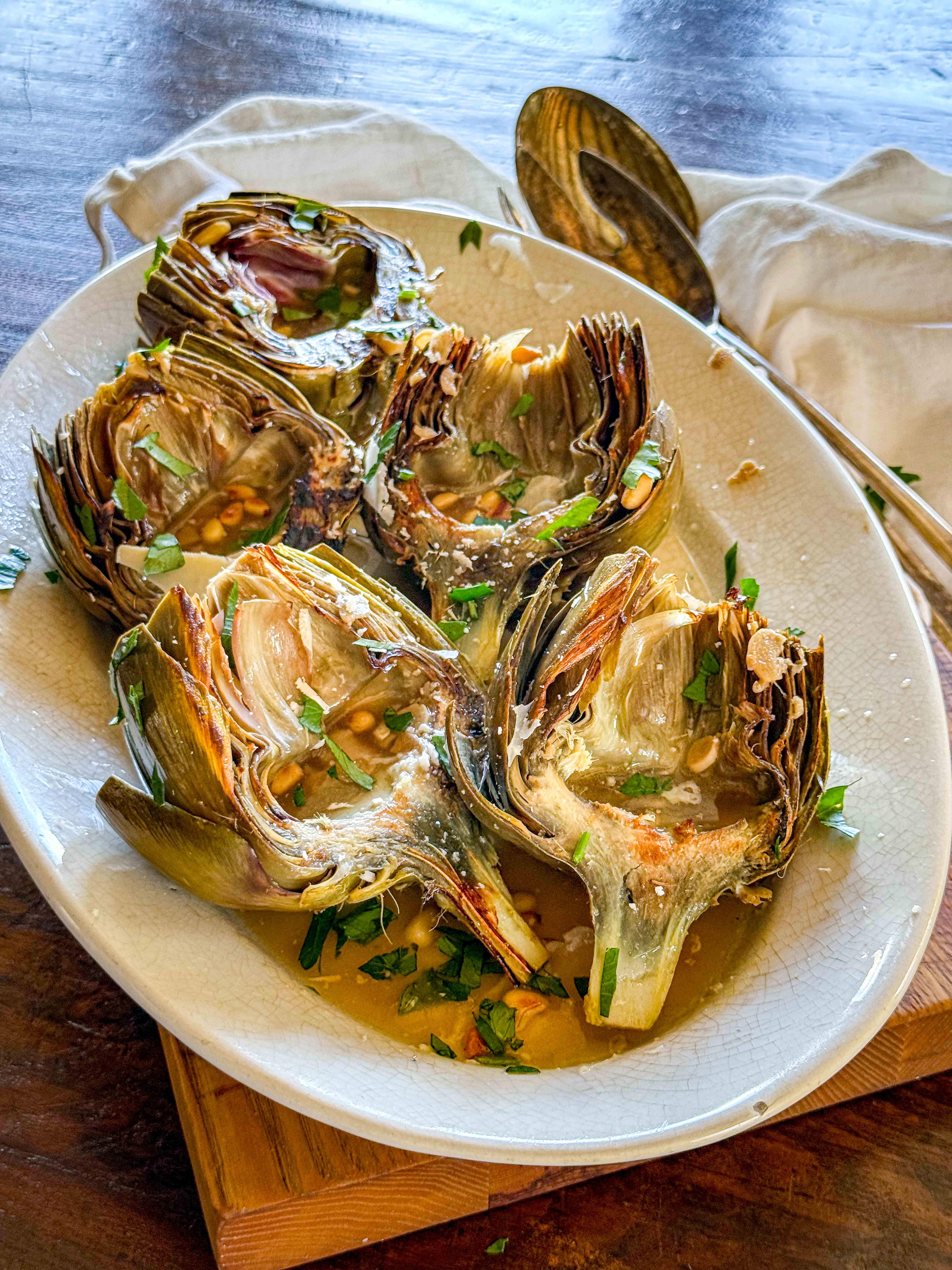
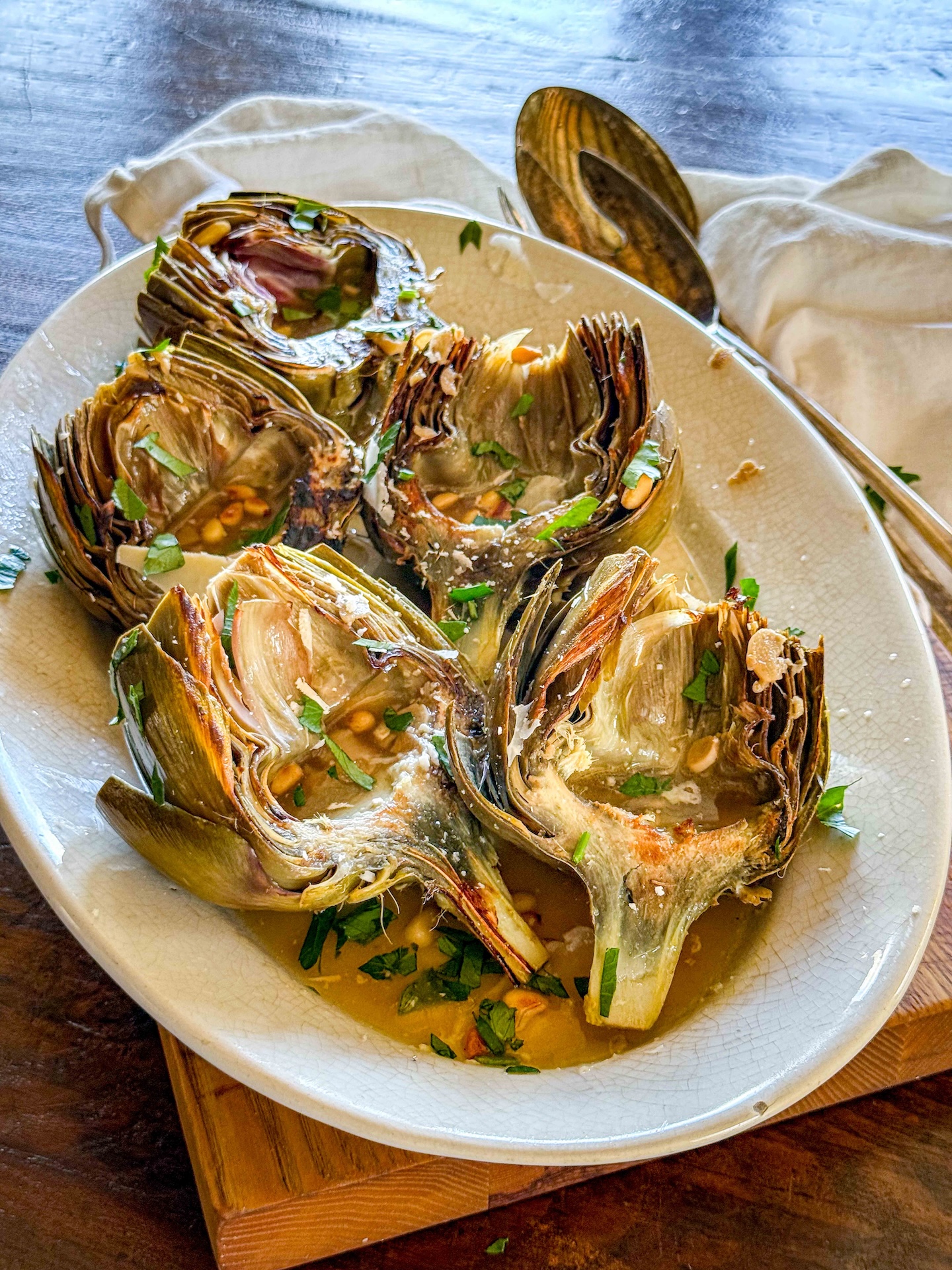
Braised Artichokes with Pecorino and Pine Nuts
I think this recipe is my favorite way to prepare artichokes. I know artichokes can be a bit intimidating, and I get it. They can be a lot of work to clean. But braising them first whole, completely changes the game. Rather than trying to excavate the fuzzy choke from a raw artichoke (which is genuinely a pain in the neck), you simply braise them until soft, then cut them in half. The choke scoops out in about three seconds with a spoon. That one small shift makes the whole process so much simpler.
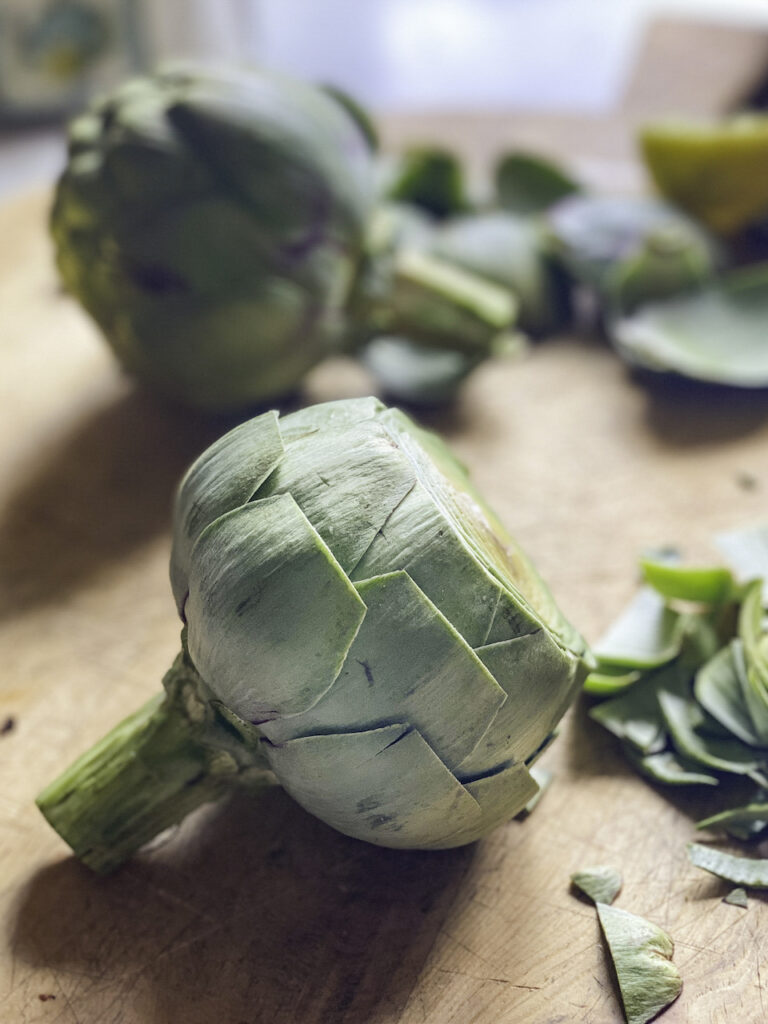
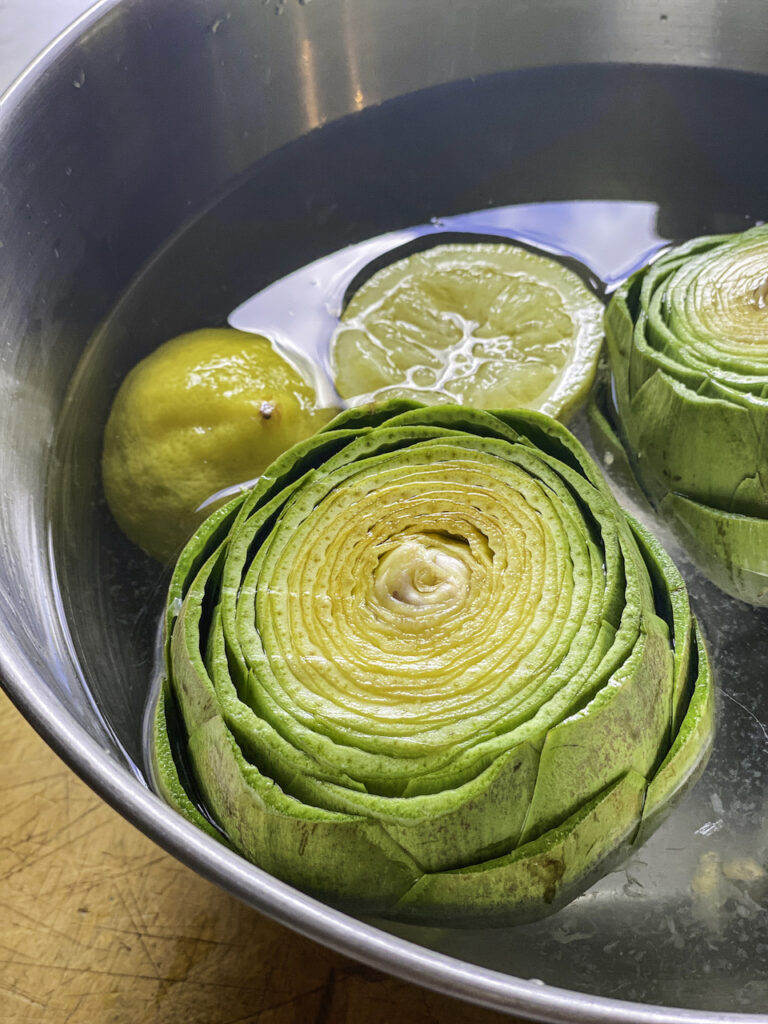
The artichokes poach gently in white wine, garlic, and lemon until completely tender, then get a quick turn in a hot pan, cut-side down, until deliciously golden and a little caramelized at the edges.
The poaching liquid reduces into a bright, winey pan sauce that gets drizzled over at the end, along with your best olive oil, some toasted pine nuts, fresh parsley, and generous shavings of Pecorino Toscano. In Montalcino, we ate them as a light lunch alongside a salad of fennel and radicchio (and more shaved Pecorino and pignoli), and of course a cold glass of local Vermentino. The perfect lunch if you ask me.
A few recipe notes:
You could conceivably skip the shaved Pecorino or pine nuts. However, they do offer a wonderful finishing note to the dish, especially when you get to the heart and can scoop up all the remaining delicious sauce.
If you are using the Pecorino, try to find Pecorino Toscano rather than the more common Pecorino Romano. It is softer and far less salty. But of course, either is fantastic with the artichokes, just remember the Romano will add a saltier finish to the dish.
As for the pine nuts, toast them in a dry pan over medium-low heat and do not walk away. They go from perfectly golden to heartbreakingly burned in about thirty seconds.
One last thing: this dish is genuinely wonderful made ahead. Poach and halve the artichokes earlier in the day, reduce your poaching liquid, then do the quick sauté right before your guests arrive. Room temperature might actually be my favorite way to eat them.
Print
Braised Artichokes with Pecorino and Pine Nuts
- Total Time: 1 hour and 5 minutes
- Yield: 4 as a light main or substantial appetizer 1x
Description
Artichokes braised gently in white wine, garlic, and lemon, then crisped in a hot pan until golden at the edges. Finished with a bright, winey pan sauce, toasted pine nuts, fresh parsley, and shaved Pecorino Toscano. Easy, elegant, and unmistakably spring!
Ingredients
- 2 lemons
- 4 medium artichokes
- 4 tablespoons extra-virgin olive oil, divided
- 3 cloves garlic, thinly sliced
- 2 cups dry white wine
- 1 bay leaf
- Zest and juice of an additional ½ lemon
- Kosher salt
For serving:
- Extra-virgin olive oil
- A small handful of pine nuts, lightly toasted
- Shaved Pecorino, preferably Toscano
- Sea salt
- A few sprigs of fresh parsley, chopped
Instructions
- Fill a large bowl with cold water. Cut the lemons in half, squeeze the juice into the bowl, and toss in all but one of the halves. Keep that last half nearby.
- Trim the artichoke stems to about an inch from the base so they’ll sit flat in the pan. If the stems are thick, use a paring knife to peel away the tough outer layer. Remove the tough outer leaves until you reach the softer, paler ones. Cut about an inch off the top to remove the sharp tips, then snip off any remaining prickly points with scissors. Rub all cut surfaces with the reserved lemon half and drop each artichoke into the lemon water as you go.
- When ready to cook, remove the artichokes from the water. In a heavy-bottomed pot or Dutch oven large enough to hold all four artichokes, warm 2 tablespoons of olive oil over medium heat. Add the garlic and cook until fragrant, about 30 seconds.
- Pour in the wine, add the bay leaf, lemon zest and juice, and bring to a boil. Let the wine cook uncovered for 1–2 minutes to allow the alcohol to begin evaporating. Reduce to a gentle simmer. (Hold off on seasoning the liquid until it has reduced, or it can turn too salty.)
- Nestle the artichokes stem-side down in the pot. Cover partially, leaving the lid slightly ajar, and simmer gently until the artichokes and stems are completely tender, 20 to 30 minutes depending on size. You’ll know they’re ready when a leaf slips away with almost no effort and a knife meets no resistance at the base. (When checking the pot, lift the lid slightly away from you first to allow the steam to escape before fully opening.)
- Once tender, remove the artichokes and set aside to cool slightly, reserving the poaching liquid. Once cool enough to handle, cut each artichoke in half lengthwise and use a spoon to scoop out and discard the fuzzy choke.
- Meanwhile, bring the poaching liquid to a boil and cook until reduced by half, about 10 minutes. Season to taste with salt.
- Warm the remaining 2 tablespoons of olive oil in a large sauté pan over medium heat. Place the artichokes cut-side down and cook until nicely golden, about 5 minutes.
- Transfer to a platter. Drizzle with the reduced poaching liquid and your best extra-virgin olive oil. Scatter with chopped parsley, a pinch of sea salt, a handful of toasted pignoli, and finish with generous shavings of Pecorino Toscano. Serve warm or at room temperature.
To eat: pull the leaves one by one and scrape the tender base of each leaf with your teeth. When you reach the heart, the whole thing is edible. Don’t leave a drop of that sauce on the platter.
Notes
- Choosing your artichokes: Look for artichokes that feel heavy for their size with tightly packed, firm leaves. Smaller and medium artichokes tend to be more tender and less fibrous than very large ones.
- The poaching liquid: Don’t skip the reduction step. It concentrates all that wine and lemon into something delicious. A little extra drizzled over just before serving makes all the difference.
- Make ahead: These are wonderful made a few hours ahead. Poach and halve the artichokes, reduce the liquid, then sauté and finish just before serving. They are just as good at room temperature as they are warm, which makes them ideal for entertaining.
- The pecorino: If you can find Pecorino Toscano rather than the more common aged Pecorino Romano, use it here. It is softer, milkier, and far less salty, which is a much gentler finish for the dish.
- The pignoli: Toast them in a dry pan over medium-low heat, shaking frequently. They go from perfect to burned very quickly, so don’t walk away.
- Prep Time: 20 min
- Cook Time: 45 min
- Category: Antipasti, Antipasto, Appetizer, Dinner, Italian, Lunch, Side Dish, Vegetables
- Cuisine: Italian
We are now back home in Pennsylvania, where it has finally warmed up. And these artichokes will definitely be part of Easter dinner on Sunday.
Wishing everyone who celebrates a beautiful Easter.
Buona Pasqua!

Lovely recipe, Michele! Definitely want to try this soon. But alas not the agretti… impossible to find here! And congratulations on the contest. You’re a local celebrity now!